Posts

How Danolyte Disinfectant Spray Works
Image
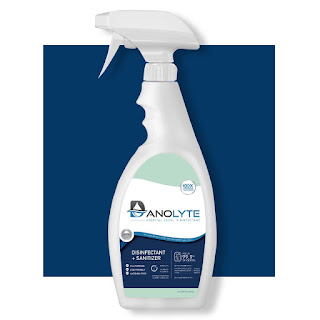
The disinfectant spray is a substance sprayed on subjects or surfaces to kill or destroy microorganisms living on them. It is important to note that disinfectants do not kill every kind of bacteria, especially the more resistant strains. The active ingredients in the sprays either interfere with the metabolism of the bacteria or destroys their cell walls. The most common places disinfectants are used include; hospitals, doctor's rooms, dental surgeries, labs, kitchens, restaurants, hotels, and bathrooms. The perfect disinfectant spray The perfect spray should be able to kill or deactivate all types of bacteria and viruses. The spray should be inexpensive, non-harmful to humans, and non-corrosive. The most important aspect though is the efficacy of the disinfectant, the perfect one will kill all bacteria in a short span of time. By killing the bacteria it prevents it from evolving and multiplying in numbers that are resistant to the original chemicals used in the kill attempt. The ...
What Are the Alternatives for Toxic Disinfectants

Image
It's not hard to see why people want to take precautions and use disinfectants to help ward off some of the nasty germs and viruses that are making their way around the world. Parents, educators, businesses, and doctors are using more and more disinfectants to protect their kids, employees, students, and patients from these harmful, sometimes deadly, viruses. Non-Toxic Disinfectants should be used in place of these harmful store-bought disinfectants because of the actual health risks that come with them. The chemicals found in most brands of disinfectants that you can find on the shelves of your local department store can have an adverse effect in battling germs.  Germs are nasty little bugs that have a way of becoming immune to the battery of chemicals that we can throw at them. In fact, recent studies have proven that there are some viruses, like staph, that are completely immune to any type of antibiotic and/or disinfectant. Of course, our culture today has been groomed for tak...

Get Now Best Disinfectants For Schools Sanitizer

Image
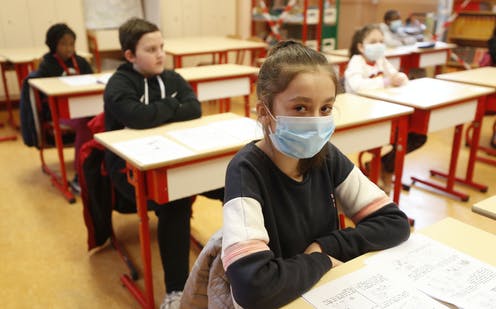
A considerable amount of sanitizing and disinfectants for school are used, which are sometimes used as a general-purpose cleaner. Sanitizers are customary to reduce, but not unavoidably abolish, microorganisms from the inorganic environment to levels examined safe as concluded by public health codes or regulations. so as for a product to be registered as a sanitizer for inanimate, non-food contact surfaces by the US EPA, it must demonstrate the power to cause a bacterial reduction of a minimum of 99.9% within 5 minutes.1 Non-food-contact sanitizer is often formulated to be effective against the categories of bacteria typically found in restrooms, while some also kill a limited number of viruses or other pathogens. Disinfectants are usually stronger than sanitizers and are, consequently, ordinarily effective against a wider range of bacteria (including, in some cases, antibiotic-resistant strains like MRSA), viruses (such as flu virus), and/or fungi. Disinfectants are usually used on ha...

Best Disinfectants for Schools

  A considerable amount of sanitizing and disinfectants for school are used, which are sometimes used as a general-purpose cleaner. Sanitizers are customary to reduce, but not unavoidably abolish, microorganisms from the inorganic environment to levels examined safe as concluded by public health codes or regulations. so as for a product to be registered as a sanitizer for inanimate, non-food contact surfaces by the US EPA, it must demonstrate the power to cause a bacterial reduction of a minimum of 99.9% within 5 minutes.1 Non-food-contact sanitizer is often formulated to be effective against the categories of bacteria typically found in restrooms, while some also kill a limited number of viruses or other pathogens. Disinfectants are usually stronger than sanitizers and are, consequently, ordinarily effective against a wider range of bacteria (including, in some cases, antibiotic-resistant strains like MRSA), viruses (such as flu virus), and/or fungi. Disinfectants are usually used...

Easy And Affordable ways to Disinfect your houses

Image
As the world is battling to restrain the COVID-19 pandemic, people should take extra hygiene measures to make sure health and safety. Though keeping your places clean is an important part of your way of life and general well-being, now it's more important than ever to disinfect certain surfaces on a daily, especially as you’re encouraged to remain home the maximum amount as possible. If you’re thinking about how you'll keep your home germ-free or if someone is sick in your home, here are some Cost-effective disinfectants to stay bacteria and viruses free. 1. Hard Surfaces: Bleach Mixture Bleach is one of all the foremost common household cleaning products and an effective disinfectant that you just most likely have already got reception. Besides using it to get rid of stains from fabric, you'll be able to also use it to scrub hard surfaces. The Center for Disease Control (CDC) recommends employing a bleach solution by mixing 5 tablespoons (⅓ cup) bleach per 4 liters of wat...

How to Find the Best Disinfectant for Coronavirus?

Image
With this outbreak of COVID-19, frequently cleaning and disinfecting your home is essential for keeping yourself and your family safe and healthy.  While person-to-person transmission of COVID-19 poses a way greater risk than transmission via surfaces, It’s necessary to note that cleaning a surface – simply eliminating dirt and particles – is not the identical thing as disinfecting it to kill viruses and bacteria. There are many products you'll use to clean hard surfaces, like soapy water and vinegar. And while cleaning high-traffic surfaces to induce eliminate contaminants, dust and debris may well be a necessary step of cleaning your home, you still must disinfect those surfaces from the novel coronavirus by using disinfectant for Covid 19 First, clean the surfaces, removing any contaminants, dust, or debris. you'll do that by wiping them with soapy water (or a cleaning spray) and a towel. Then apply a surface-appropriate disinfectant for Coronavirus. The quickest and easiest...

Eco-Friendly Disinfectant

As the world continues to fight against the novel coronavirus, you’re probably making changes to your standard of living — whether it means making some sacrifices to your typically zero-waste lifestyle or if it means embracing a more eco-friendly way of living as you learn to make the foremost of what you've got came your home.  Contemporary disinfectants which are derived from alcohols, ammonium compounds, aldehydes, oxidizing agents, and phenolics. they're applied to surfaces in bathrooms, kitchens, and hospitals to destroy microorganisms. While effective at killing germs, they'll build up levels of toxic chemicals over time which will reduce indoor air quality; once they contain anthropogenic substances, they're going to irritate the eyes and skin, and increase the danger of respiratory and central system disorders and cancer. Washing these collected contagions away can contaminate groundwater and soil. in step with the U.S. Environmental Protection Agency, the emplo...